Essential Riding Tips for Saddle Comfort and Control
- Leo Mitchell Roadster Parts Shop
- Nov 6, 2025
- 5 min read

Riding a horse is a rewarding experience that combines skill, balance, and connection with the animal. Yet, many riders struggle with discomfort and lack of control, which can affect both their confidence and the horse’s performance. Achieving comfort in the saddle and maintaining control requires more than just sitting on the horse. It involves understanding your posture, the saddle fit, and how to communicate effectively with your horse through your body.
This guide shares practical tips to help riders improve their saddle comfort and control, making every ride safer and more enjoyable.
Understanding Saddle Fit and Its Impact
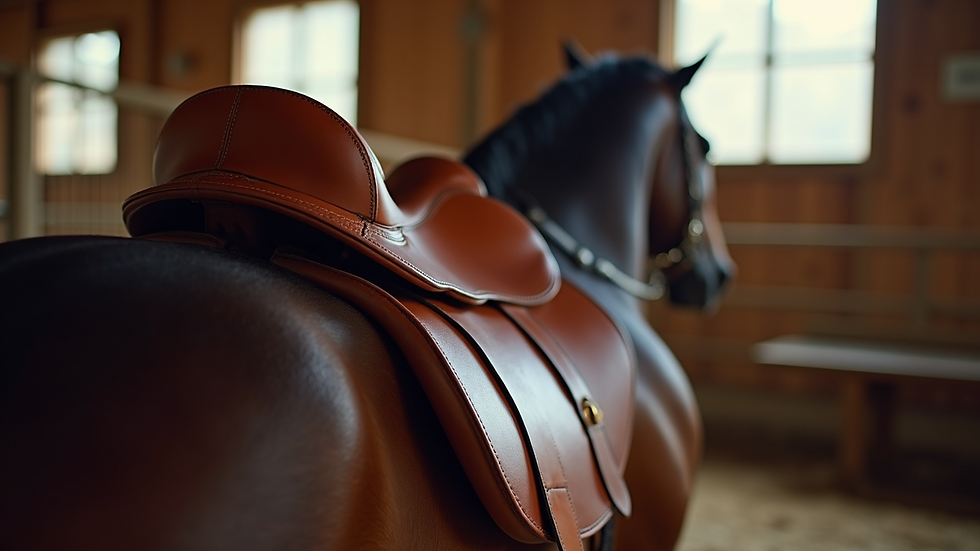
A saddle that fits well is the foundation of a comfortable ride. An ill-fitting saddle can cause pain for both rider and horse, leading to poor posture and loss of control.
Check the saddle width: The saddle should sit evenly on the horse’s back without pinching the withers or pressing on the spine.
Balance the saddle: It should not tip forward or backward. A balanced saddle helps the rider maintain a centered seat.
Consider padding: Proper padding can improve comfort but avoid excessive layers that change the saddle’s fit.
Regular inspections: Horses’ shapes change over time due to muscle development or weight fluctuations. Regularly check the saddle fit to avoid discomfort.
When the saddle fits well, the rider can sit deeper and more securely, which improves communication with the horse.
Mastering Your Riding Posture
Your posture in the saddle directly affects your comfort and control. A balanced, relaxed position allows you to move with the horse and respond to its cues.
Sit tall but relaxed: Keep your spine straight, shoulders back, and chest open. Avoid leaning forward or slouching.
Align your hips and heels: Your hips should be over your heels, creating a straight line from your ear through your shoulder, hip, and heel.
Soft knees and ankles: Keep your knees gently bent and your ankles flexible to absorb movement.
Engage your core: A strong core supports your balance and helps you stay centered.
Hands steady but soft: Hold the reins with a gentle grip, allowing subtle communication without pulling.
Practicing posture exercises off the horse, such as yoga or pilates, can enhance your riding position and reduce fatigue.
Using Your Seat and Legs for Effective Control
Control comes from how you use your body, especially your seat and legs, to guide the horse.
Seat as a communication tool: Use your seat bones to signal the horse. For example, shifting your weight slightly can cue turns or changes in pace.
Leg position: Keep your legs close to the horse’s sides but avoid gripping tightly. Use gentle pressure to encourage forward movement or lateral steps.
Calf contact: Apply steady, even pressure with your calves to maintain rhythm and encourage impulsion.
Avoid stiff legs: Relaxed legs follow the horse’s motion and prevent resistance.
Practice transitions: Smooth transitions between gaits improve control and responsiveness.
Riders who master seat and leg aids develop a quiet, effective communication style that horses respond to willingly.
Adjusting Stirrup Length for Comfort and Balance
Stirrup length affects your balance and the way you absorb the horse’s movement.
Find the right length: When standing in the stirrups, your leg should have a slight bend at the knee. Too long or too short stirrups can cause instability.
Adjust for different activities: Shorter stirrups suit jumping or fast work, while longer stirrups are better for flatwork and relaxed riding.
Check regularly: Stirrup length can shift during riding or saddle changes, so adjust as needed.
Use quality stirrup leathers: Durable, adjustable leathers help maintain consistent length and safety.
Proper stirrup length reduces strain on your knees and ankles, helping you stay balanced and comfortable.
Preparing Your Horse for a Comfortable Ride
Comfort and control also depend on how well your horse is prepared.
Groom thoroughly: Clean the horse’s back and legs to prevent irritation under the saddle.
Check tack condition: Ensure the saddle, girth, and bridle are in good repair and properly fitted.
Warm up gradually: Begin with a slow walk to loosen muscles and build focus.
Observe your horse’s reactions: Watch for signs of discomfort like tail swishing, head tossing, or resistance.
Use appropriate equipment: Some horses benefit from saddle pads designed for pressure relief or corrective fit.
A comfortable horse is more willing to respond and work with you, improving your control.
Tips for Maintaining Comfort During Long Rides
Long rides can challenge your endurance and comfort. Use these strategies to stay comfortable and in control.
Take breaks: Dismount and stretch every 30 to 60 minutes to relieve pressure points.
Shift your position: Change your seat slightly to avoid stiffness and improve circulation.
Stay hydrated: Drink water before and after riding to prevent fatigue.
Wear proper riding gear: Padded breeches, gloves, and boots with good support reduce discomfort.
Mind your breathing: Deep, steady breaths help you stay relaxed and focused.
Comfort during long rides keeps your energy up and your communication clear.

Practicing Effective Rein Control
Reins are a primary tool for communication, but harsh or inconsistent use can cause discomfort and confusion.
Hold reins evenly: Keep both hands steady and at the same height.
Use soft contact: Maintain gentle tension without pulling or jerking.
Follow the horse’s mouth: Allow slight movement to avoid resistance.
Practice half-halts: Brief rein pressure helps rebalance the horse without stopping.
Coordinate with seat and legs: Rein aids work best when combined with body cues.
Good rein control improves steering and responsiveness while keeping the horse comfortable.
Building Confidence Through Consistent Practice
Comfort and control improve with regular, mindful practice.
Set small goals: Focus on one aspect at a time, such as posture or rein control.
Record your rides: Video can help identify areas for improvement.
Work with a trainer: Professional feedback accelerates progress.
Ride different horses: Experience with various horses builds adaptability.
Stay patient: Progress takes time, but consistent effort pays off.
Confidence grows when you feel comfortable and in control, making riding more enjoyable.
Listening to Your Horse’s Feedback
Your horse communicates through its behavior and body language.
Watch for tension: Signs like pinned ears or stiff movements indicate discomfort.
Adjust your aids: If the horse resists, try softer cues or check your position.
Respect limits: Avoid pushing the horse beyond its physical or mental capacity.
Reward good behavior: Use praise or breaks to reinforce cooperation.
Build trust: A trusting relationship enhances control and comfort for both rider and horse.
Understanding your horse’s signals creates a partnership based on respect and clear communication.
Riding with comfort and control transforms your experience and strengthens your bond with your horse. Focus on saddle fit, posture, and clear communication through your body. Pay attention to your horse’s needs and practice regularly. These steps lead to safer, more enjoyable rides where both you and your horse feel confident and connected.
Take time to assess your saddle and riding habits today. Small changes can make a big difference in your comfort and control. Happy riding!

Comments